

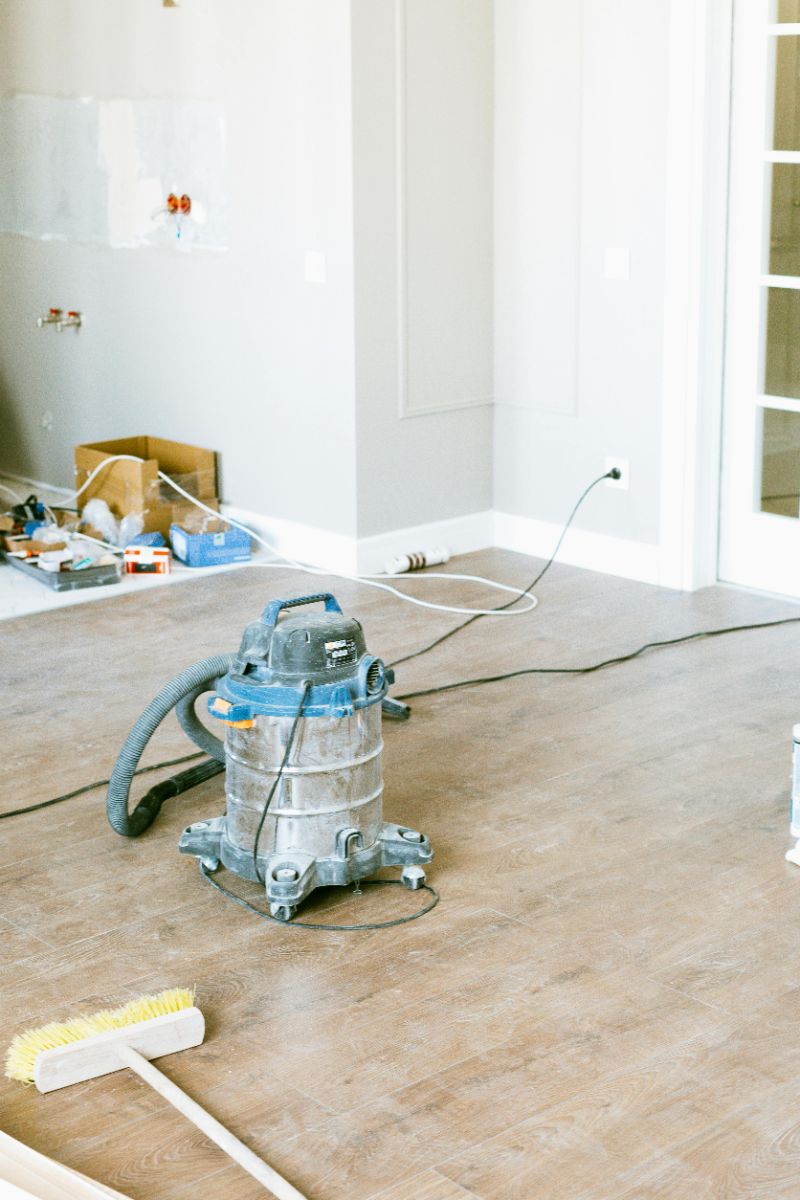
Refinishing floors is one of the smartest ways to refresh a home without tearing everything out. But when it comes to engineered hardwood floors, the answer is not always a simple yes or no. We get this question all the time at Lawson Brothers Floor Company, and the truth is this. Some engineered hardwood floors can be refinished beautifully. Others should never be touched by a sander.
If you are trying to decide whether hardwood refinishing is worth it, this guide will walk you through the facts, the risks, and the smart alternatives.
Engineered hardwood flooring explained
Engineered hardwood is not fake wood. It is real hardwood on top, bonded to multiple layers of plywood or high-density fiberboard underneath. That layered core makes it more stable than solid wood flooring, especially in a climate like St. Louis, MO, where humidity swings with the seasons.
The key detail is the top layer, often called the wear layer or veneer. This is the only part that can be sanded and refinished. Everything depends on how thick that layer is.
Can engineered hardwood floors be refinished?
Yes, engineered hardwood floors can be refinished, but only if the wear layer is thick enough.
In general terms:
Floors with a wear layer of 3 millimeters or more can usually be refinished at least once.
Floors with a thinner veneer may only handle a light screen and recoat.
Very thin wear layers should not be sanded at all.
This is where professional evaluation matters. Guessing can permanently damage the floor.
How many times can engineered hardwood flooring be refinished?
Unlike solid hardwood, which can often be refinished multiple times over decades, engineered hardwood flooring is more limited.
Here is a realistic breakdown:
Thick wear layer: One to two full refinishes in its lifetime
Medium wear layer: One light refinish or sanding
Thin wear layer: No sanding. Recoating only
If too much wood is removed, the core layers become exposed. At that point, replacement is the only option.
Signs your engineered wood floors may be a good candidate
Not sure if hardwood floor refinishing is even on the table? These signs usually point in the right direction.
Surface scratches but no deep gouges
Finish looks dull or worn, not peeling
No swelling, warping, or delamination
The floor was installed with higher-end materials
Older engineered wood floors from reputable manufacturers often have thicker veneers than many budget products sold today.
When refinishing engineered hardwood flooring is not recommended
There are situations where hardwood floor refinishing simply does not make sense.
The veneer is too thin
The floor has water damage
Boards are separating or lifting
Deep dents go through the wear layer
In these cases, refinishing may cause more harm than good. We always focus on long-term results, not short-term fixes.
Hardwood refinishing vs. recoating: what is the difference?
Homeowners often confuse these two processes, but they are very different.
Refinishing involves sanding down the wood to remove the old finish and surface damage. This requires enough real wood to work with.
Recoating skips sanding the wood itself. The surface is lightly abraded, and a new finish is applied. This refreshes shine and protection but does not remove deep scratches.
Recoating is often the safer option for engineered hardwood flooring with thin veneers.
Why professional evaluation matters
Engineered hardwood refinishing is not a DIY decision. The wrong approach can ruin an entire floor in a single afternoon.
At Lawson Brothers, we inspect:
Wear layer thickness
Floor condition and stability
Existing finish type
Overall cost versus replacement value
Because we have worked with hardwood floors for generations, we know when refinishing makes sense and when a smarter alternative will save you money.
Alternatives if hardwood floor refinishing is not possible
If sanding is not an option, you still have solid choices.
Professional recoating to restore appearance
Selective board replacement in damaged areas
Upgrading to new engineered hardwood floors with thicker veneers
Switching to solid hardwood or high-end luxury vinyl
We help homeowners compare these options honestly, with pricing that fits real budgets.
Your experts on engineered hardwood flooring in St. Louis, MO
Flooring decisions should never feel rushed or confusing. As a family-owned business serving St. Louis since 1928, we take a different approach.
We listen first. We inspect carefully. And we give clear answers, even when refinishing is not the right call.
From single-room updates to full-home flooring projects, our team helps you protect your investment and get results that last.
If you are wondering whether your engineered hardwood floors can be refinished, start with a professional evaluation from our team at Lawson Brothers Floor Company. It is the safest way to move forward with confidence and avoid costly mistakes. From our hardwood flooring store in St. Louis, MO, we serve the St. Louis area, including Clayton, Town and Country, Chesterfield, Frontenac, Wildwood, Richmond Heights, and Sunset Hills, MO. Call today!


