

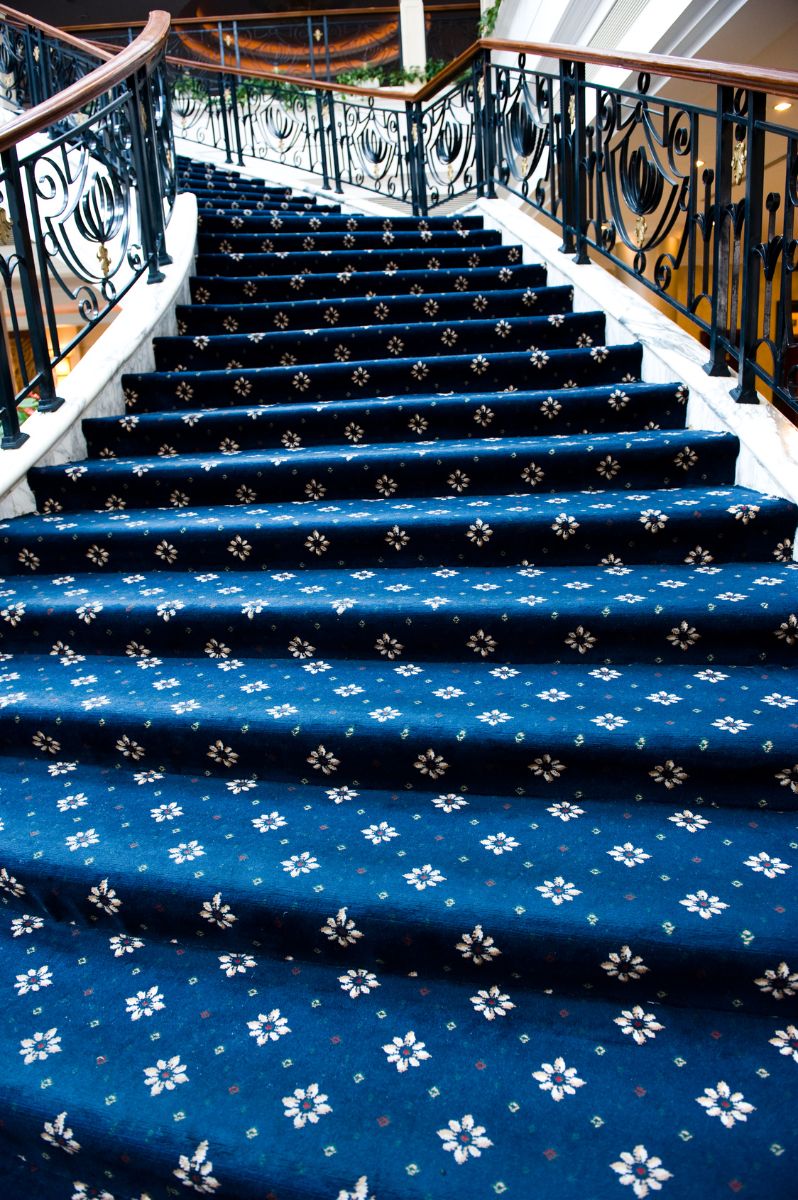
Stairs experience more wear than almost any other surface in your home. People move up and down them constantly. Pets run across them. Children sit and play on them. Heavy items are carried over them every day. Because of this constant activity, stair carpet must perform differently than carpet in bedrooms or living spaces. It needs to be durable, secure, and safe while still looking beautiful.
At Lawson Brothers Floor Company, we help homeowners throughout the St. Louis area choose stair carpet that performs well for years to come. Since 1928, our family-owned and operated business has helped customers make confident flooring decisions for both residential and commercial spaces. Stair carpet is one of the most important choices you can make for safety, comfort, and long-term performance. If you are planning to install or replace stair carpet, here are the most important factors to consider before making your selection.
Why is stair carpet different from regular carpet?
Stairs are one of the highest traffic areas in any home. Unlike flat flooring, stair surfaces receive concentrated pressure in very specific spots, especially along the front edge of each step. This repeated impact can cause standard carpet to wear down quickly.
Because of this, stair carpet must provide specific performance benefits that regular carpet may not deliver.
Higher durability than standard room carpet
Strong resistance to crushing and matting
Secure installation to prevent slipping
Flexible construction to wrap around stair edges
A design that helps hide wear patterns
Soft plush carpet that feels comfortable in a bedroom may flatten quickly when installed on stairs. That is why performance and structure matter more than appearance alone when choosing stair carpet.
What carpet material works best for stairs?
Fiber type plays a major role in how well stair carpet performs over time. Some materials are better suited to heavy traffic and repeated impact.
Here are the most common stair carpet fiber options.
Nylon: Nylon carpet is one of the most popular and reliable choices for stairs. It is extremely strong, resilient, and able to maintain its shape even under heavy use. Nylon carpet resists crushing and bounces back after repeated pressure, making it ideal for busy households.
Wool: Wool carpet offers natural resilience and a luxurious feel. It performs well on stairs and provides excellent durability when properly maintained. However, wool is typically more expensive and requires more care. Homeowners who want premium quality and timeless beauty often choose wool carpet.
Polyester: Polyester is soft and often more affordable than other fibers. However, it tends to flatten faster under heavy traffic. While polyester carpet may work in lower traffic staircases, it is not always the best long-term choice for busy homes.
Polypropylene: Polypropylene is highly stain-resistant and moisture-resistant, which makes it a practical option in certain environments. It is commonly used in loop pile styles and can perform well when constructed with high-density material. However, polypropylene is less resilient than nylon, so choosing a tightly constructed product is especially important when installing it on stairs.
When assisting customers in our carpet shop, we often recommend the most resilient fibers first and then help match style and budget to meet each homeowner’s needs.
Which carpet pile is best for stair durability?
Pile style influences how carpet wears, how it looks, and how safe it feels underfoot. For staircases, structure and durability matter more than softness.
Low pile or tightly looped carpet typically performs best because it resists crushing and maintains its appearance over time.
Common stair-friendly styles include:
Berber or loop pile for excellent durability
Low-profile textured carpet to help hide footprints
Patterned carpet to disguise wear over time
High plush or shag styles may feel soft, but they often show traffic patterns quickly and can wear unevenly on stair edges.
How important is slip resistance for stair carpet?
Slip resistance is extremely important when selecting stair carpet. Stairs are one of the most common locations for household falls, particularly in homes with children, pets, or older adults.
A properly selected stair carpet should provide stability and traction with every step.
Firm grip underfoot
Dense construction that stays in place
Proper padding that supports stability
Professional installation with secure fastening
Carpet that feels overly slick or excessively cushioned may reduce stability. This is why proper installation is just as important as selecting the right carpet material.
At Lawson Brothers Floor Company, we ensure that stair carpet is installed securely so every step feels stable and safe.
Should carpet for stairs be dense and tightly constructed?
Yes. Density is one of the most important indicators of stair carpet performance.
Dense carpet contains fibers that are packed closely together, which helps the carpet maintain its structure and appearance over time.
Fibers are packed closely together
Carpet resists flattening and wear
Surface feels firm and supportive
Appearance stays consistent longer
You can check the density by bending a carpet sample backward. If the backing is easy to see, the carpet is less dense. Higher density generally means better long-term performance on stairs.
Although dense carpet may cost more initially, it often lasts longer and provides better value over time.
What colors and patterns work best on stairs?
Stairs tend to show wear more quickly than other areas of the home. Choosing the right color and pattern can help maintain a clean and attractive appearance.
Many homeowners prefer:
Medium tones that help hide dirt and footprints
Multi-tone patterns that disguise wear
Subtle texture that adds visual interest
Colors that coordinate with surrounding flooring
Very light carpet may show stains easily, while very dark carpet can highlight lint or pet hair. Balanced tones often provide the most practical and attractive results.
If your staircase is visible from the main living areas, the design of your stair carpet can also enhance the overall look of your home.
Do you need special padding for stair carpet?
Yes. Proper padding plays an important role in both comfort and performance.
Padding for stairs should support the carpet while maintaining stability.
Firm rather than overly soft
Thin enough to maintain stability
Durable under repeated impact
Designed specifically for stair use
Padding that is too thick or soft can create a spongy feel that reduces traction. The right padding supports the carpet without compromising stability.
Our team helps customers select padding that complements their carpet choice and installation needs.
Why does professional carpet installation matter so much?
Installing carpet for stairs requires skill and precision. Each step must be wrapped, secured, and aligned correctly. Improper installation can lead to looseness, wrinkles, or premature wear.
Professional carpet installation helps ensure long-term performance and safety.
Proper stretching and fastening
Smooth edges around stair noses
Even pattern alignment
Long-lasting performance
With decades of experience serving St. Louis homeowners and contractors, our team understands how to install stair carpet correctly for lasting results.
Looking for new stair carpet in St. Louis, MO? Call us!
Choosing stair carpet involves more than selecting a color or texture. It requires careful consideration of durability, safety, comfort, and long-term value. Working with experienced flooring professionals helps ensure you make the right choice.
Whether you are updating a single staircase or planning a full home renovation, we are here to make the process simple and stress-free. Our carpet shop in St. Louis, MO, serves the St. Louis area, including Clayton, Town and Country, Chesterfield, Frontenac, Wildwood, Richmond Heights, and Sunset Hills, MO. Get in touch with us today! Your stairs deserve flooring that looks beautiful, feels safe, and performs reliably for years to come. We are here to help you make that choice with confidence.


