

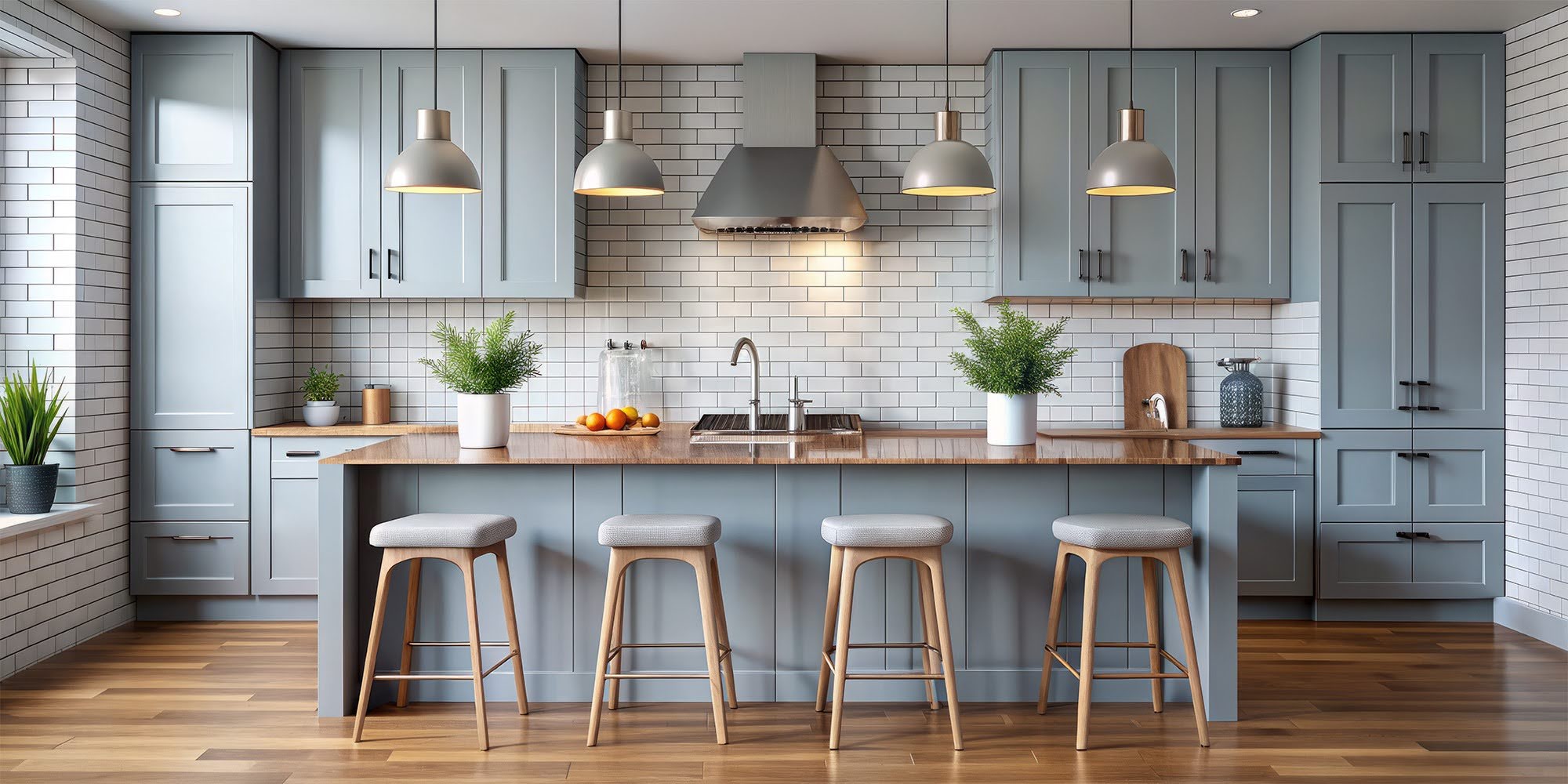
Luxury flooring is no longer limited to selecting a single wood species and installing it throughout a home. Today’s architects, interior designers, and discerning homeowners are embracing the creative possibilities that come from combining multiple wood species within a single flooring design. At Lawson Brothers Floor Company, we help clients throughout St. Louis, Chesterfield, Ellisville, and Manchester create custom hardwood flooring that reflects their personal style while enhancing the architectural character of their homes.
When executed thoughtfully, mixing wood species can add depth, contrast, and visual interest while maintaining a sophisticated, cohesive appearance. The key is understanding how different woods interact with each other and how those selections fit within the overall design vision.
Why Mix Wood Species?
Custom hardwood flooring allows designers to move beyond traditional installation methods and create truly one-of-a-kind spaces.
Mixing wood species can:
Create visual contrast without relying on color alone
Highlight architectural features
Define specific areas within open-concept homes
Enhance custom borders, inlays, and feature strips
Add a tailored, designer-driven appearance
Rather than treating the floor as a neutral backdrop, mixed-species hardwood flooring transforms it into a design feature that contributes to the overall aesthetic of the home.
Homeowners considering custom designs can explore a variety of premium materials within our hardwood flooring collections.
Popular Wood Species Combinations
Not every wood species works well together. Successful combinations balance color, grain pattern, texture, and overall character.
White Oak and Walnut
One of the most popular combinations in luxury residential design is white oak paired with walnut.
White oak offers:
Light to medium natural tones
Subtle grain patterns
Modern versatility
Walnut provides:
Rich chocolate and espresso tones
Dramatic contrast
Distinctive luxury appeal
This combination is frequently used for custom borders, feature strips, staircase details, and statement inlays.
White Oak and Maple
Designers looking for a lighter palette often combine white oak and maple.
Benefits include:
Soft, contemporary appearance
Minimal contrast
Bright, airy feel
This pairing works especially well in Nordic-inspired and transitional interiors.
Walnut and Maple
For projects that require stronger visual definition, walnut and maple can create striking geometric patterns, custom medallions, and accent features.
The contrast between light and dark tones makes these species particularly effective in statement flooring designs.
Using Mixed Species to Define Spaces
Open-concept floor plans are common in many high-end homes throughout St. Louis. While these layouts create flow and connectivity, they can sometimes benefit from subtle visual separation.
Mixing wood species allows designers to define spaces without using walls or changing flooring materials entirely.
Examples include:
Framing dining areas with contrasting hardwood borders
Creating custom entryway inlays
Highlighting kitchen islands with feature strips
Defining seating areas within great rooms
Because these details are integrated directly into the hardwood floor, they maintain continuity while introducing architectural interest.
Custom Borders and Feature Strips
One of the most elegant applications of mixed wood species is through custom borders and feature strips.
Feature strips are narrow bands of contrasting wood inserted between boards or around room perimeters. They can be subtle or dramatic depending on the design goals.
Popular applications include:
Walnut accents within white oak flooring
Maple feature strips in darker hardwood floors
Contrasting wood borders around formal rooms
Custom framing details in luxury homes
These details add sophistication without overwhelming the overall design.
For homeowners exploring custom flooring possibilities, our professional flooring services include design consultation and custom hardwood installation.
Grain Patterns Matter Just as Much as Color
When mixing wood species, color is only part of the equation. Grain patterns play an equally important role.
For example:
Rift and quartered white oak provides a clean, linear appearance.
Walnut often features more natural variation and movement.
Maple offers a smooth, understated texture.
Designers must consider how these visual characteristics interact with cabinetry, millwork, furniture, and architectural details.
In luxury homes, the most successful mixed-species designs typically maintain consistency in grain scale and overall visual balance.
The Role of Job-Finished Hardwood
Many custom mixed-species floors benefit from job-finished hardwood installation.
Unlike prefinished products, job-finished hardwood allows greater flexibility when blending multiple species.
Advantages include:
Custom Stain Development
Each species absorbs color differently. Job finishing allows professionals to adjust stains and finishes to create harmony between woods.
Finish Consistency
Applying the finish after installation creates a uniform appearance across all materials.
Greater Design Flexibility
Designers can experiment with subtle tonal adjustments to achieve the desired aesthetic.
For high-end projects where precision matters, job-finished hardwood often delivers superior results.
Mixing Wood Species with Custom Cabinetry
One of the most effective ways to create cohesion in luxury homes is to coordinate hardwood flooring with custom cabinetry.
For example:
White oak flooring paired with walnut islands
Walnut flooring accents that mirror wood shelving
Maple details that complement built-in millwork
By intentionally repeating wood species throughout the home, designers create a layered and sophisticated interior that feels unified.
This approach is particularly effective in kitchens, home offices, libraries, and built-in entertainment spaces.
Balancing Creativity and Timelessness
One challenge with custom flooring design is ensuring the final result remains appealing for years to come.
The best mixed-species flooring designs:
Focus on natural materials
Avoid overly trendy patterns
Maintain architectural relevance
Complement the home's style
A thoughtfully executed custom floor should feel intentional and timeless rather than decorative for decoration's sake.
This balance is where experienced flooring professionals and designers provide significant value.
Why Craftsmanship Is Essential
Custom mixed-species flooring requires a higher level of planning and installation expertise than standard hardwood installations.
Success depends on:
Precise layout development
Careful material selection
Accurate milling and fabrication
Expert installation techniques
Professional finishing methods
At Lawson Brothers Floor Company, we specialize in custom hardwood flooring projects that demand exceptional attention to detail. From luxury remodels to architect-designed custom homes, our team helps bring complex flooring concepts to life.
Create a Truly Custom Hardwood Floor
Mixing wood species is one of the most powerful ways to transform hardwood flooring into a signature design feature. Whether through subtle feature strips, dramatic borders, custom inlays, or coordinated architectural elements, these details help create homes that feel unique, refined, and thoughtfully designed.
If you're planning a custom home or luxury renovation in St. Louis, Chesterfield, Ellisville, or Manchester, Lawson Brothers Floor Company can help you explore creative flooring solutions tailored to your vision.
Start by requesting a free flooring estimate. You can also learn more about our experienced team, browse all flooring products, or contact our flooring specialists to discuss your project.
With the right materials, craftsmanship, and design expertise, a custom hardwood floor can become one of the most distinctive and memorable features of your home.


