

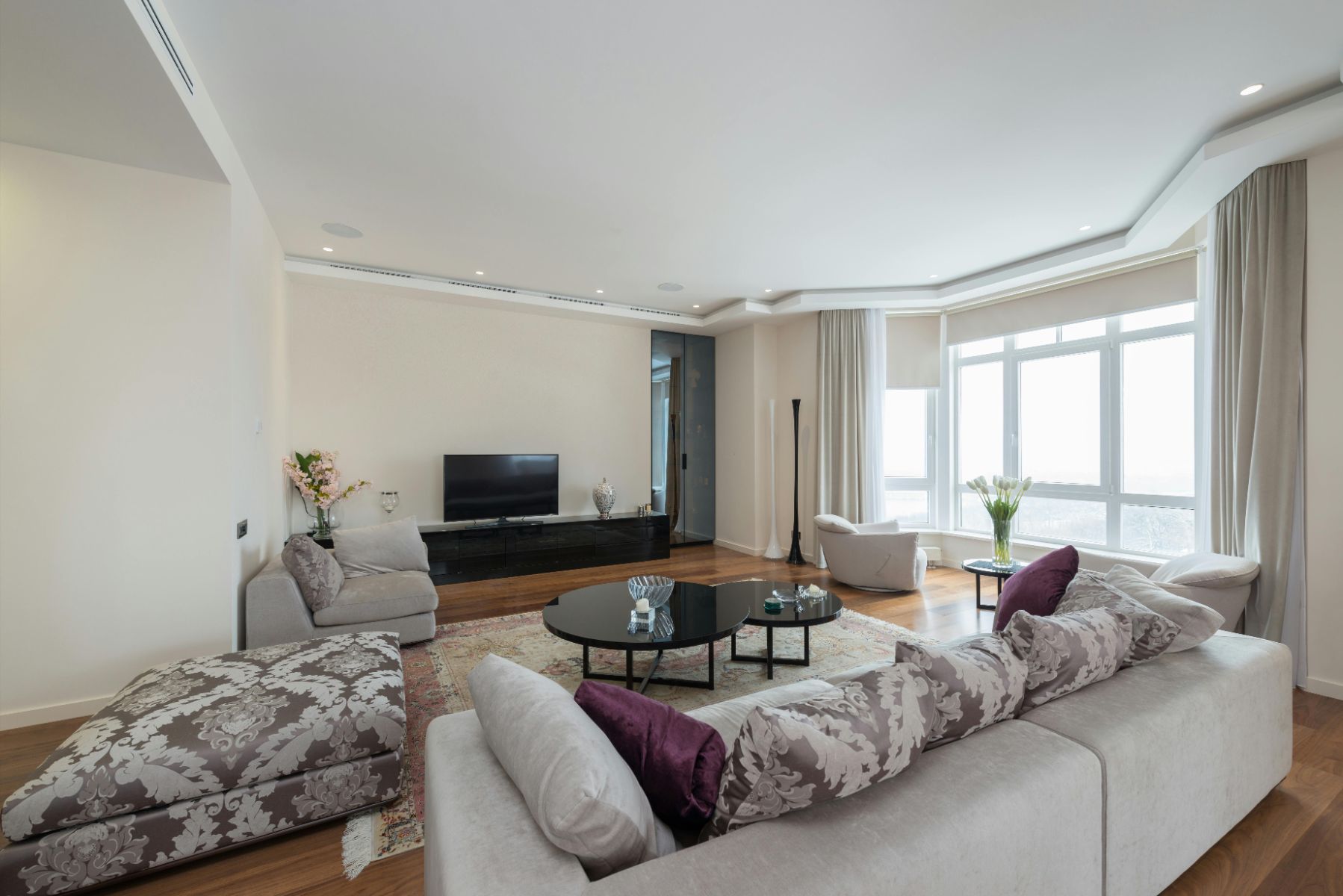
Walk into any flooring showroom, and you will likely hear terms like “AC3” or “AC5” being used. These terms can sound technical at first, and for many homeowners, they create confusion rather than clarity. The reality is much simpler. Understanding AC ratings is one of the most effective ways to make sure you choose the best laminate flooring for your space.
If you select a rating that is too low, your floors may show signs of wear much sooner than expected. If you choose a rating that is too high, you may end up paying more for durability than your home actually requires. The goal is to find the right balance based on how your space is used every day. Let’s walk through what AC ratings mean and how to choose the right one with confidence.
What is an AC rating in laminate flooring?
An AC rating is a durability classification that measures how well laminate flooring can resist wear, impact, scratches, and stains.
The term “AC” stands for Abrasion Class. This rating is determined through a series of standardized tests performed on laminate flooring products. These tests evaluate how the flooring performs under conditions that mimic real-life use, including foot traffic, furniture movement, dropped objects, and exposure to stains.
Based on the results, each product is assigned a rating from AC1 to AC5. A higher number indicates greater durability and resistance to wear.
Here is a quick breakdown of each rating level:
AC1: Designed for light residential use in low-traffic areas
AC2: Suitable for moderate residential use
AC3: Built for heavy residential use or light commercial settings
AC4: Intended for general commercial use and high-traffic residential spaces
AC5: Engineered for heavy commercial environments with constant foot traffic
While the scale is straightforward, choosing the right rating requires a closer look at how your space functions.
Why does AC rating matter when choosing laminate flooring?
AC rating matters because it directly affects how your flooring will perform over time.
Laminate flooring is made up of multiple layers, and the top wear layer plays a critical role in protecting the surface from everyday wear and tear. The AC rating reflects the strength and durability of that wear layer.
If you install laminate flooring with a lower AC rating in a high-traffic area, you may begin to notice signs of wear such as scratches, fading, or dull spots much sooner than expected.
On the other hand, selecting a higher AC rating for low-traffic areas may not provide additional value and could increase your overall project cost unnecessarily.
Choosing the appropriate AC rating helps ensure that your flooring performs as expected and maintains its appearance over time.
Here are a few key benefits of selecting the right AC rating:
It helps extend the lifespan of your flooring
It reduces the likelihood of premature wear and damage
It ensures your investment aligns with your lifestyle and usage needs
The key is not to choose the highest rating available, but to choose the rating that best fits your home.
What AC rating is best for residential homes?
For most residential applications, AC3 provides an excellent balance between durability and cost.
AC3 laminate flooring is specifically designed to handle heavy residential use. It performs well in spaces where there is consistent daily activity, making it a reliable choice for many households.
AC4 is another strong option, especially for homes that experience higher-than-average traffic or activity levels. Although AC4 is commonly used in light commercial settings, it is increasingly popular in residential environments where added durability is desired.
Here is a simple guide to help you determine what may work best in your home:
Bedrooms: AC2 or AC3 depending on usage levels
Living rooms: AC3 for consistent daily use
Kitchens and hallways: AC3 or AC4 for added durability
Entryways: AC4 to handle heavy foot traffic and debris
Many homeowners choose to install AC3 or AC4 throughout their home to maintain consistency and ensure adequate performance across all spaces.
When should you choose AC4 or AC5 laminate flooring?
You should consider AC4 or AC5 laminate floors when your space is exposed to higher levels of traffic or wear.
AC4 is a great choice for environments that experience frequent use throughout the day. It provides an extra level of durability that can be beneficial in both residential and light commercial settings.
AC5 is typically designed for commercial applications such as retail stores, offices, and public buildings where flooring must withstand constant use. While it can be used in residential settings, it is often more than what is necessary for the average home.
Here are a few situations where higher AC ratings may make sense:
Homes with large families and constant activity
Properties with pets that may cause additional wear
Rental properties that experience frequent tenant turnover
Spaces that serve both residential and business purposes
It is important to evaluate your specific needs before choosing a higher AC rating, as it may not always be the most practical or cost-effective option.
How does the AC rating affect laminate flooring cost?
AC rating can influence the cost of laminate flooring, although the price differences are often reasonable.
Higher AC ratings typically come with a slightly higher price point because they offer enhanced durability and performance. However, the increase in cost is often justified by the extended lifespan and reduced maintenance needs.
Here is a general way to think about cost differences:
Moving from AC2 to AC3 provides a noticeable upgrade in durability
Upgrading from AC3 to AC4 offers additional protection for high-traffic areas
Transitioning from AC4 to AC5 is usually geared toward commercial applications
Rather than focusing solely on upfront cost, it is helpful to consider the long-term value of your flooring. Investing in a slightly higher AC rating may help you avoid premature replacement and additional expenses down the line.
What other factors should you consider besides AC rating?
While AC rating is an important factor, it should not be the only consideration when selecting laminate floors.
Several additional elements contribute to the overall performance and appearance of your flooring. These factors can significantly impact your satisfaction with the final result.
Here are a few key aspects to consider:
Thickness: Thicker planks often provide better stability and a more comfortable feel underfoot
Water resistance: Waterproof laminate flooring options are designed to handle moisture and spills better
Installation method: Click-lock systems can simplify installation and reduce labor time
Style and texture: The visual design, color variation, and surface texture all play a role in achieving your desired look
By considering these factors alongside AC rating, you can make a more informed and well-rounded decision.
Your experts on laminate floors in St. Louis, MO
Choosing the right AC rating ultimately comes down to understanding how your space is used and selecting a product that can meet those demands.
For most homes, AC3 provides a reliable and cost-effective solution, while AC4 offers additional durability for high-traffic areas. AC5 is typically best suited for commercial environments and is not always necessary for residential use.
Taking the time to evaluate your needs will help ensure that your laminate flooring performs well and maintains its appearance for years to come.
If you are ready to explore your options, Lawson Brothers Floor Company is here to help guide you through the process. From our showroom in St. Louis, MO, we proudly serve the St. Louis area, including Clayton, Town and Country, Chesterfield, Frontenac, Wildwood, Richmond Heights, and Sunset Hills, MO.


